Category Archives: Uncategorized

Guess who is back?! The wine guy with a post about Montepulciano and the Vino Nobile

Nancy and I are travelling to the Tuscan town of Montepulciano to have lunch with friends at La Grotta, one of our favorite restaurants. Given that I have to go anyway–I’m hardly fighting it–I’ve decided to interrupt my researches here in Umbria and check out some Tuscan wine. No sense missing an opportunity to try something new. I’ve targeted the Tenute del Cerro, a well known produttore in the district of Acquaviva, a few kilometers east of Montalcino in the rolling Colli Senesi–the Sienese Hills.

We have decided to take the direct route, the Super Strada SS140 (take this description with a grain of salt) which winds back and forth across the Tuscan-Umbrian border, climbs to about 1800 feet and descends to the lovely town of Tuoro on Lake Trasimeno, Italy’s largest (outside of Guarda) and and one of its most beautiful lakes. From here, we follow the autostrada to Florence for a bit and then swing south-west on the SP10/SP8 through rolling hills and tidy, picturesque villages towards Montepulciano.

Time for some background: The Tuscans and the Umbrians don’t like each other very much. Throughout most of the middle ages and up to the establishment of united Italy in the 1870’s, Umbria belonged the Papal States: that is, it was a possession of the Catholic Church. Tuscany at the same time was the site of feuding dukedoms struggling to control the province. During this time, Tuscany played unwilling host to foreign armies from France, Spain, Germany and Austria as well as armies from “neighbors” such as Venice, Milan and Naples. History has definitely been a bit messier there. In any case, the Tuscans see the Umbrians as happy-go-lucky, rather simple peasant folk who have lived their lives as welfare kings and queens in the bosom of the Mother Church while they have always had to struggle for their existence. The Umbrians, on the other hand, see the Tuscans as crude money-grubbing materialists who have lost all touch with the virtues of the simple life and who take advantage of their cultural heritage to squeeze every nickle out of the hapless tourists who visit them.

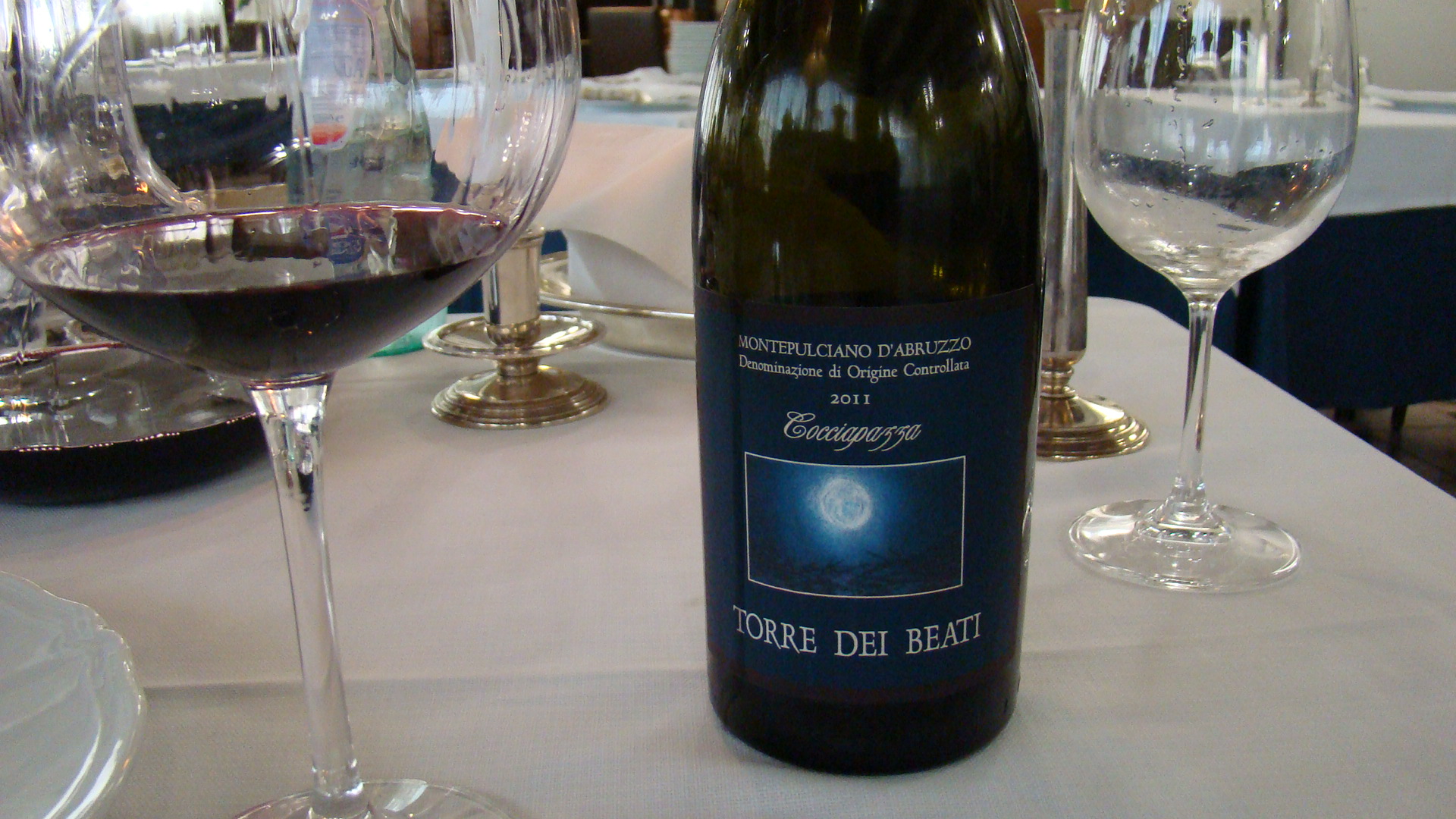
Enough of these musings–back to wine. The odd thing to remember about the Vino Nobile di Montepulciano is that it doesn’t have any Montepulciano grapes in it. The Montepulciano grape is the heavy hitter of the central Adriatic coast, appearing in excellent wines such as Montepulciano d’Abruzzo, Rosso Piceno and Conero. The Vino Nobile, on the other hand, is, like most Tuscan wines, made primarily from Sangiovese. The town of Montepulciano, due to its fame, was granted a DOC of its own in spite of the confusion. In fact, the town of Montepulciano is so famous in winemaking that Il Vino Nobile di Montepulciano became the first DOCG created.
Although the winery, Tenute del Cerro uses the small town of Acquaviva di Montepulciano as its address, it is actually about 5 kilometers outside the town on a “white road”. “White Road” in Italiance parlance covers anything from a dirt road to a goat path. This one was on the finer side, being a dusty country gravel road just big enough for two cars to squeeze by. We tried ignore all the gravel banging the bottom of the car as we made our way gently through rolling fields of green grapes overlooked by gorgeously painted Italian country houses. At a small bend in the road, we spied our goal.

The Tenute del Cerro consists of an elegant, gated entrance forking in one direction to a truely elegant palazzo, the Villa Granzianella, an agriturismo with meals and rooms, on one side and the lovely cantina Tenute del Cerro on the other. We were greeted at the cantina by Giovanni, a tall young man in his mid twenties from Milan who is doing an internship here as part of his studies in Hospitality Management at the University. He is aiming to specialize as a sommelier–why didn’t I think of this instead of engineering? He gave us an interesting talk on the property, the Etruscan surroundings and the winemaking on the property. The winery is very proud of its ancient Etruscan heritage, and pays homage to it through the labels it uses for its wines.

Entrance.
DSC04415

Giovanni
DSC04414

Tasting room
DSC04408
Tasting room
DSC04405

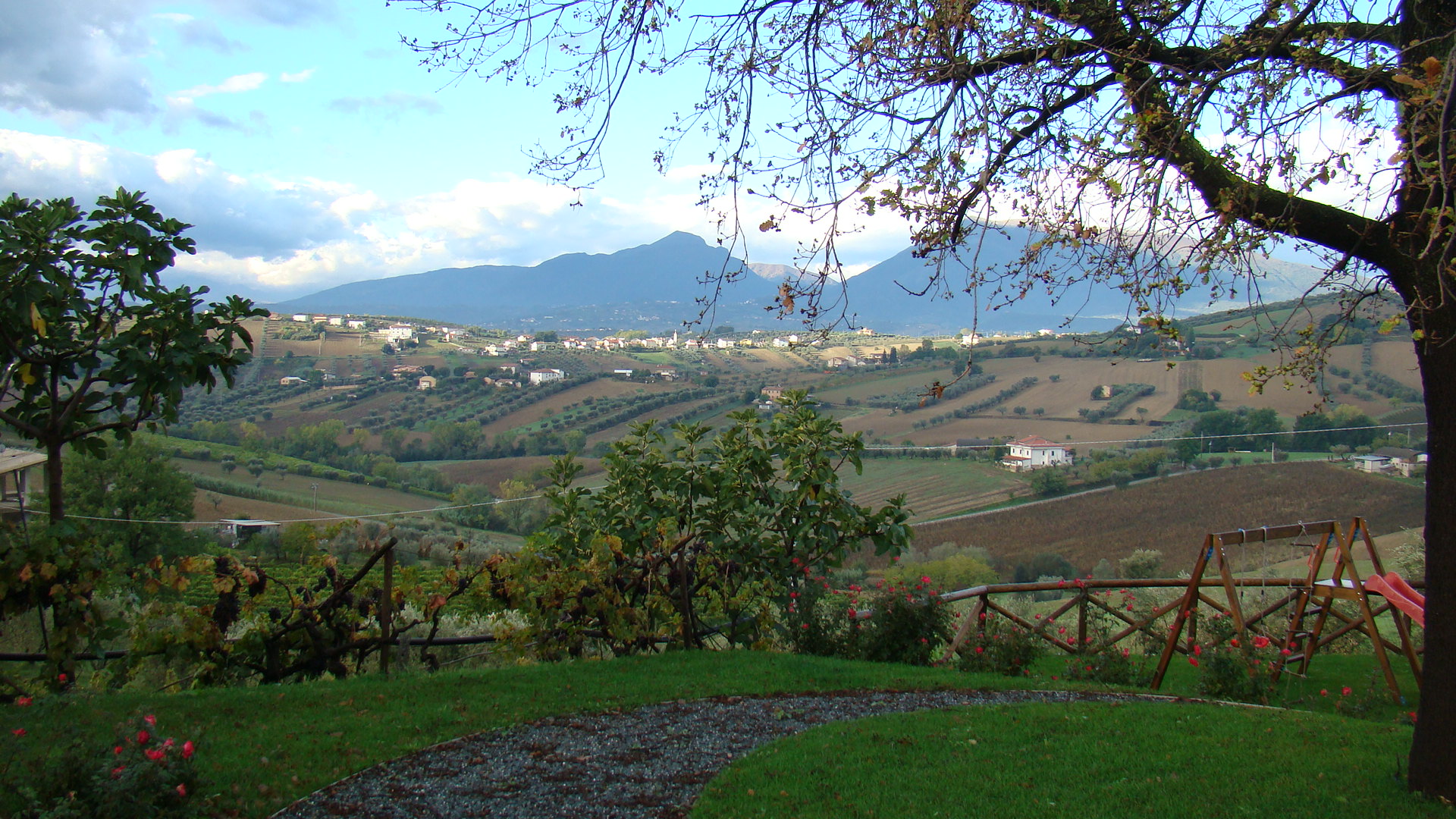
Montepulciano on it’s hilltop nearby.
DSC04403

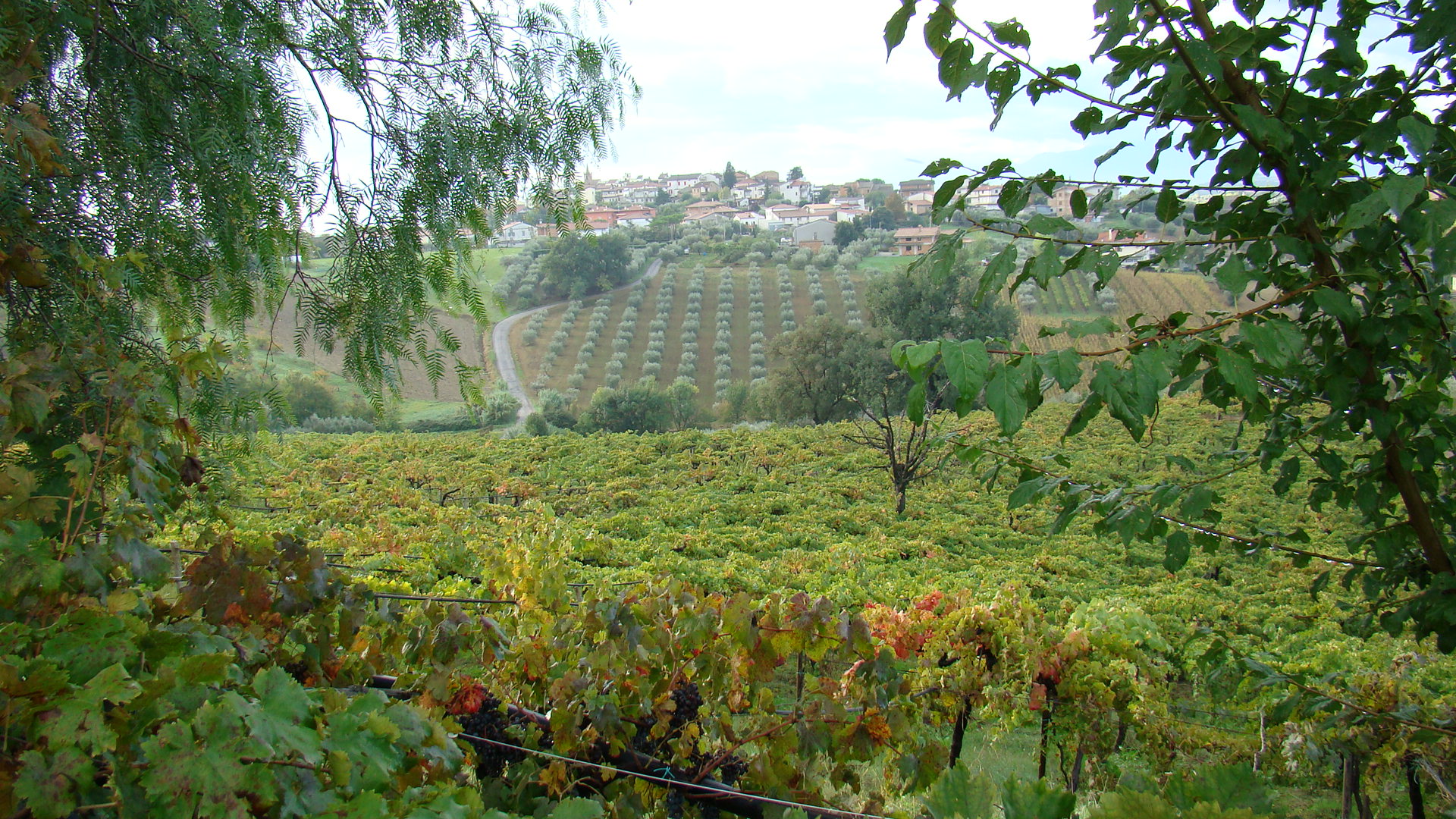
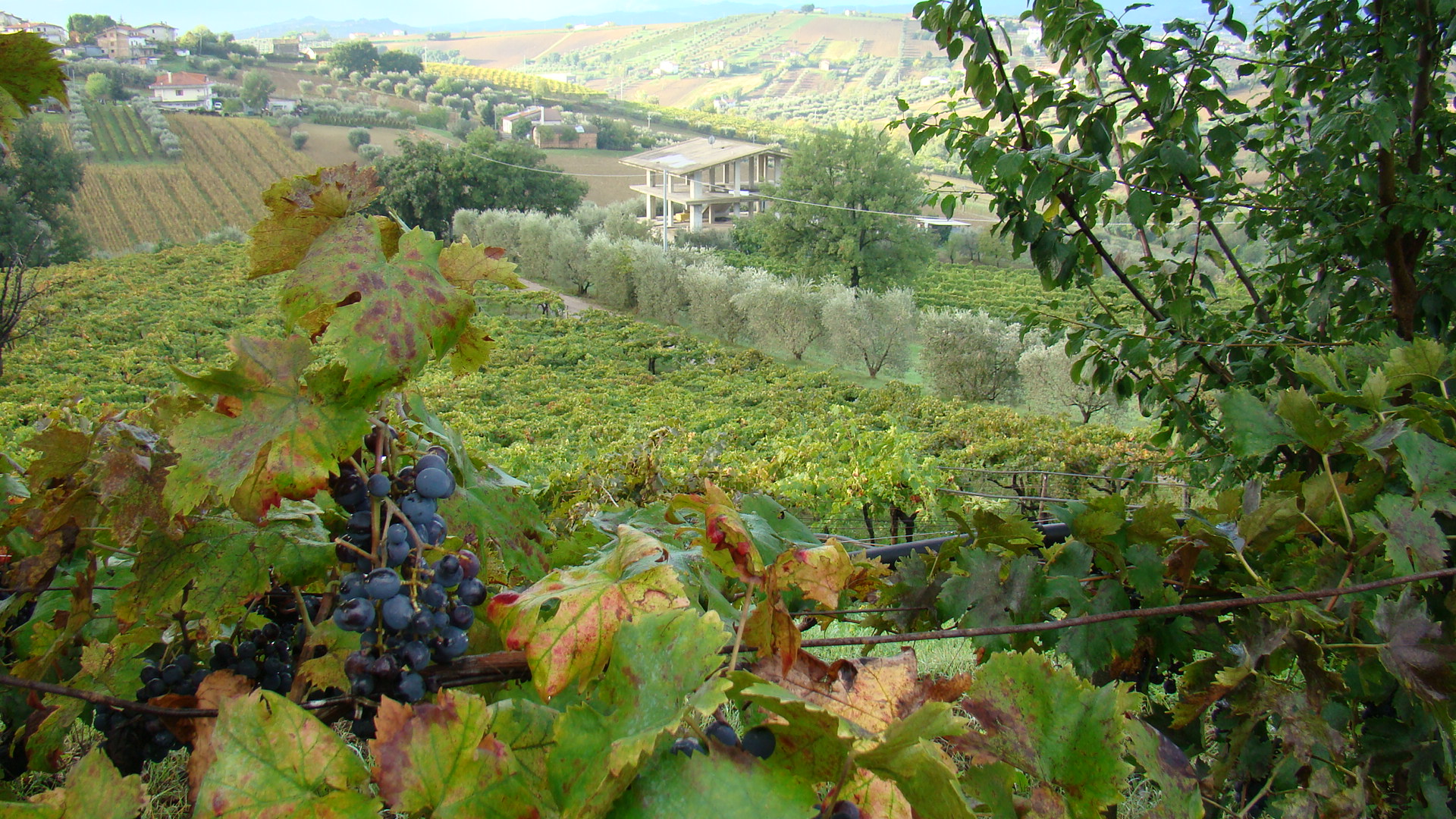
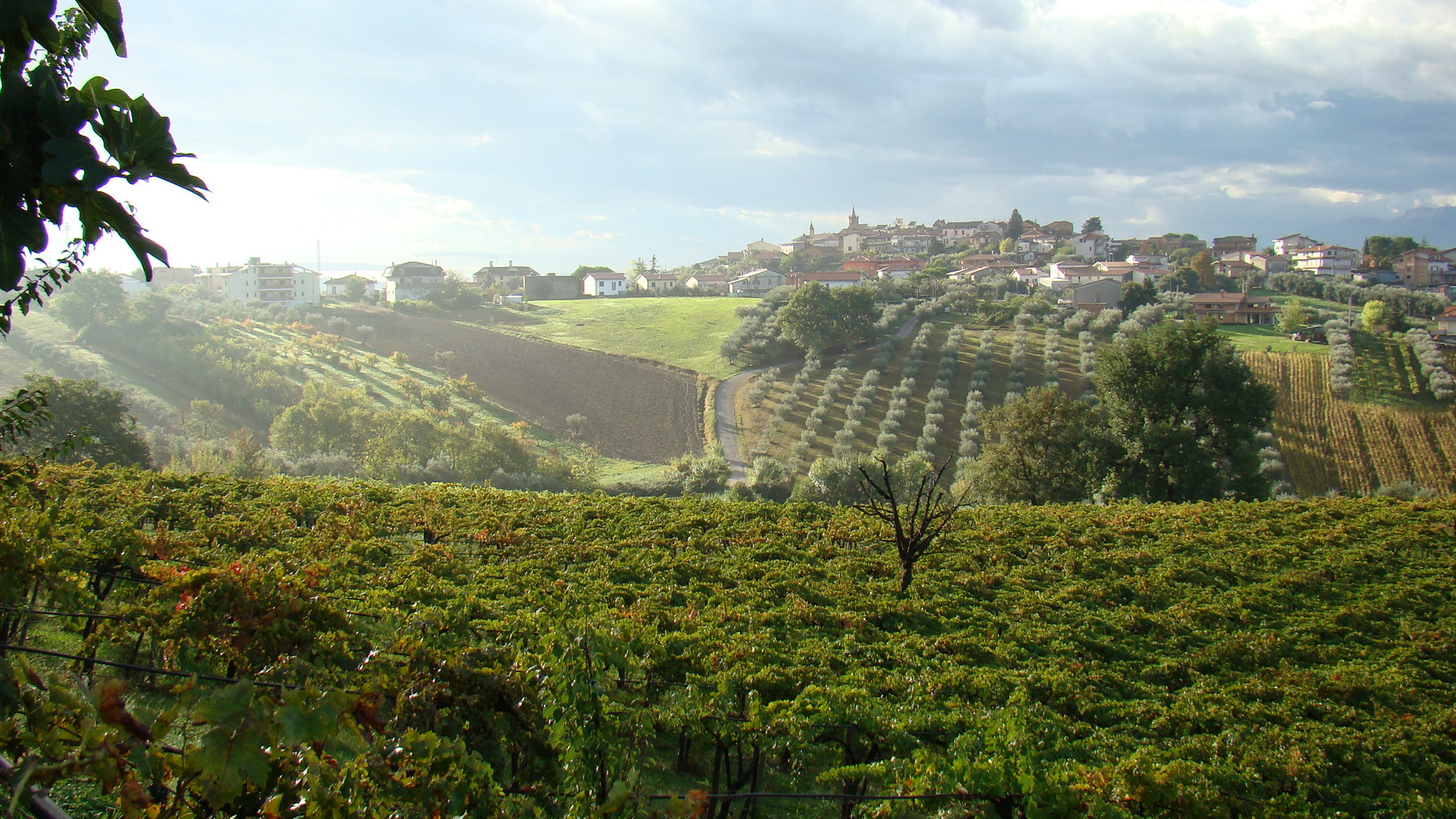
View across the vine-laden countryside.
DSC04401

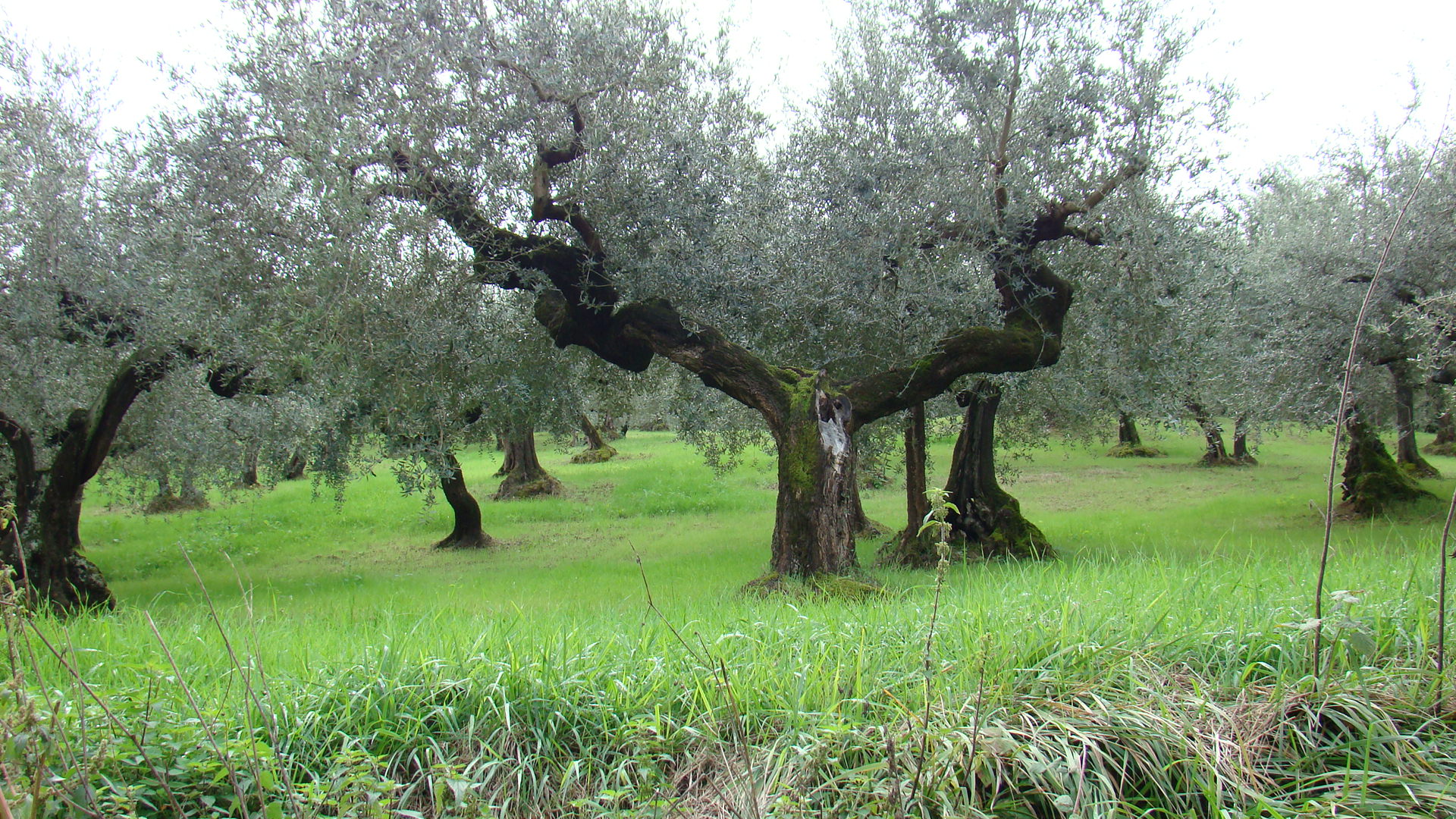
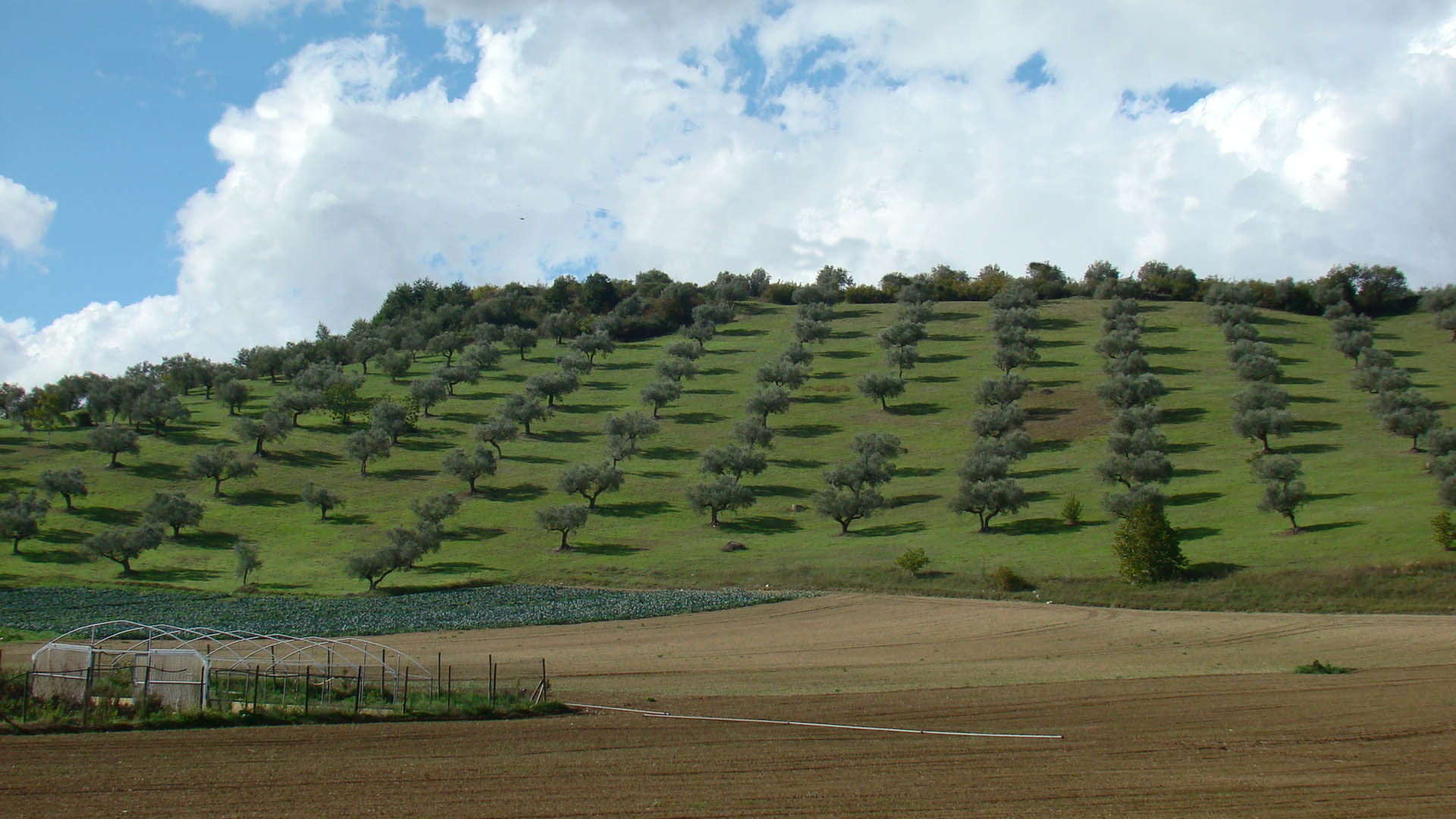
Olive trees.
DSC04397

More olive trees
DSC04396

Seating on the lawn of the agriturismo. Beautiful views.
DSC04392

Our first tasting was a pleasant surprise: the Vermentino 2013. Vermentino is a white grape that I have always associated with Sardinia, although it does appear under various other names in the Piedmonte, Liguria and Corsica. I’ve always found it rather light and inoffensive, but unremarkable in character. If you can remember the days of Bolla Soave, you’ll have an idea where I’m coming from–it goes down nicely but makes hardly any impression. I was surprised to find that it is cultivated to a modest extent in Tuscany. This 100% Vermentino was big and fat in the mouth, unlike the rather thin impression that most Vermentinos have made on me it the past. It had a lovely straw color, with a fruity nose. I found it a bit mineral and steely on the tongue with a nice long finish. A definite keeper for a nice house wine and I’m sure it would go nicely with fish, pasta or light white meats. I’m going to have to extend my investigation of Vermintino to see if the Sardinians are keeping the good ones to themselves, or whether this is just a Tuscan terroir effect.

We followed the Vermintino with a Chianti Colli Senese 2012. Although the property specializes in Vino Nobile, the winemakers feel that there are many other varietals that blend extremely well with Sangiovese that produce lighter, more fragrant and more immediately drinkable reds than the Vino Nobile, which is a wine of considerable heft and requires aging. Because Montepulciano lies in the Colli Senesi (Sienese Hills) district of Chianti and these blends meet the requirements of the DOC Chianti Colli Senese they are sold as such. This chianti was a light cherry with ruby undertones. It was light and tingling on the tongue, with great fruit and a tiny touch of tannin from six months in large oak barrels. It had an excellent finish, leaving just a hint of jam. Given its character, I think it would make a great accompaniment for pasta, pork and grilled meats. We have enjoyed it several times with pastas with red sauce and chicken and it has been perfect.

These labels are using a text font reminiscent of the ancient Etruscan writing. This is the Chianti.
DSC04672

The Chianti was followed by the centerpiece, the Vino Nobile di Montepulciano 2012. This wine, 90% sangiovese and 10% mammolo, an antique tuscan grape that confers a vivid purple hue to the wine. (For trivia lovers: Mammolo is what the Italians call Bashful of the seven dwarfs.) The wine has an imposing color, the cherry red of the sangiovese darkened by the purple tint of the mammolo. The nose is floral, with a hint of vanilla. In the mouth it is very full, with a moderate touch of oak from 12 months in large slavonian oak barrels (botte). The wine sports a moderate touch of tannin that tells me it would be rewarding to lay this down for a while if you are capable–I am not. Giovanni is of the opinion that it could go about ten years. It is one of the best Vino Nobiles I have tried in a while.

The Vino Nobile di Montepulciano
DSC04671

Although we begged for more, the top of the line Vino Nobile “Antica Chiusina” had been drunk up–damn you British or German tourists or whomever! Another reason to return for further investigation, so I’m not completely down about it. In place of the Antica Chiusina, Giovanni surprised us with an alternative offering he was very fond of, a Sagrantino from Umbria(!). It turns out that Tenute del Cerro is one of four autonomous wineries owned by Unipol, a large insurance agency. The other wineries are: la Poderina in Montalcino; Monterufoli, in the Val di Cornia outside Pisa; and Còlpetrone, near Montefalco. We decided to pass on the offer. There’s no sense getting ahead of ourselves in our investigations. Besides, lunch was calling in Montepulciano. Naturally with a nice bottle of the Vino Nobile. More on that later. Ciao!

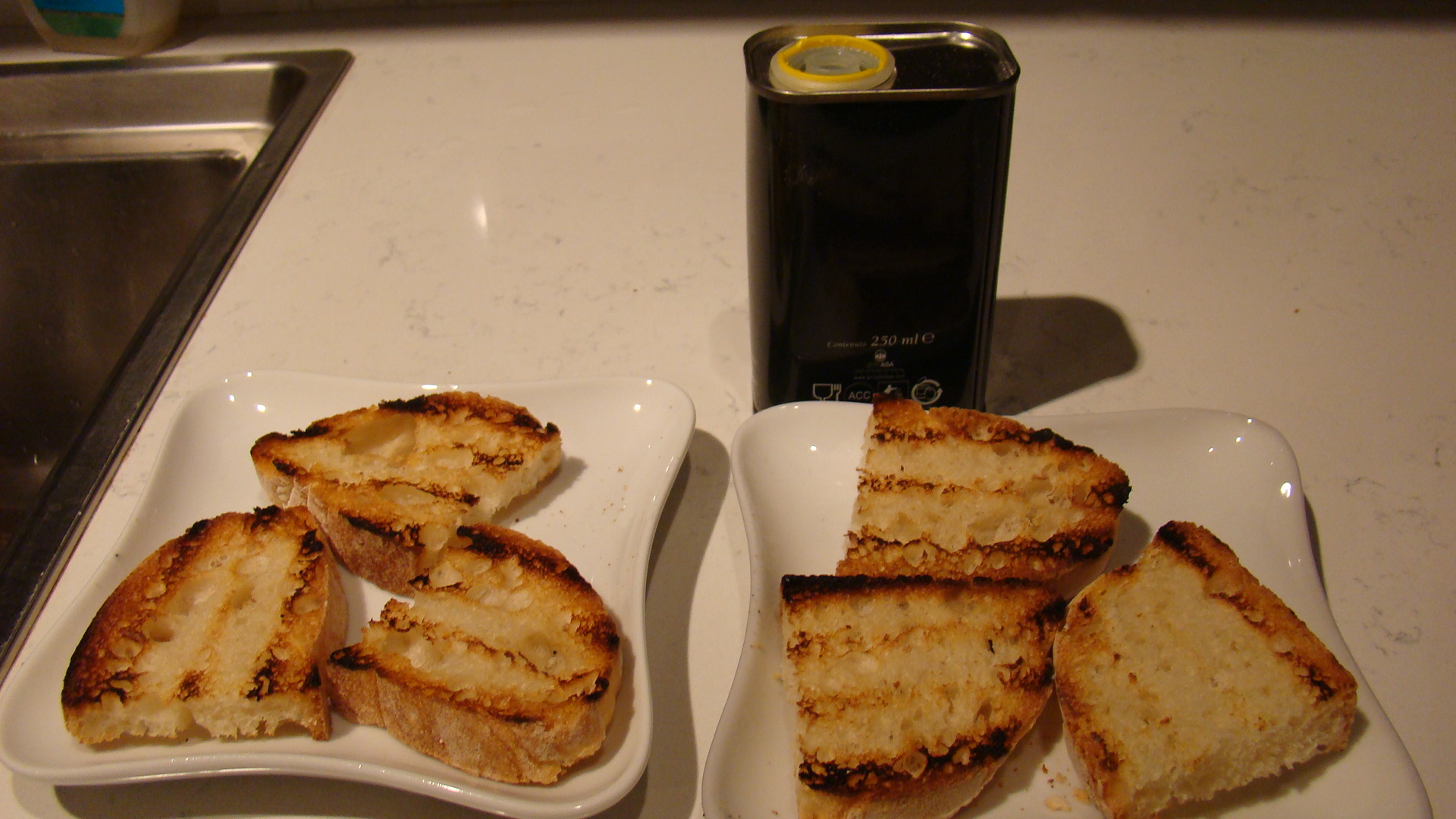
[Nancy here. Luther did not include the fact that this cooperative of wineries also includes an olive oil producer that coincidentally is just outside of Umbertide! We had seen them but never visited before. They have labels much like the wine labels. I purchase one bottle.]

DSC04413

HOT!

We have been dealing with a heat wave for almost two weeks. It is getting into the upper nineties to the low hundreds and predicted to last another week. No rain either so it is very dry. Luckily it has not been terribly humid, and it does cool off as soon as the sun sets. We are still able to sleep with the windows open and a fan. We have been using the AC in the living room in the afternoons. We do what I call “window and shutter management”. At night all the windows are opened wide to encourage the cool night air to come in. In the morning I generally sit on the terrace to take advantage of the coolness. About 10:30am or so I close the shutters on the piazza-facing side of the house and I close the windows. This makes it dark and cave-like. The windows facing the river I leave open for a while longer but as the sun comes over the house they too are shuttered and closed. The living room gets hotter because it has no attic. And it is a big room with a big window with no shutters. It does have the shear shade that I close. That said, I am working in the office right now and it is very hot in here. We eat at about 8pm and mostly we eat outside. The sun is setting just after 8pm now. We have a small TV that we use on the terrace. It is lovely to sit out there and watch a movie of an evening. So now you know how we are beating the heat… or not as the case may be.
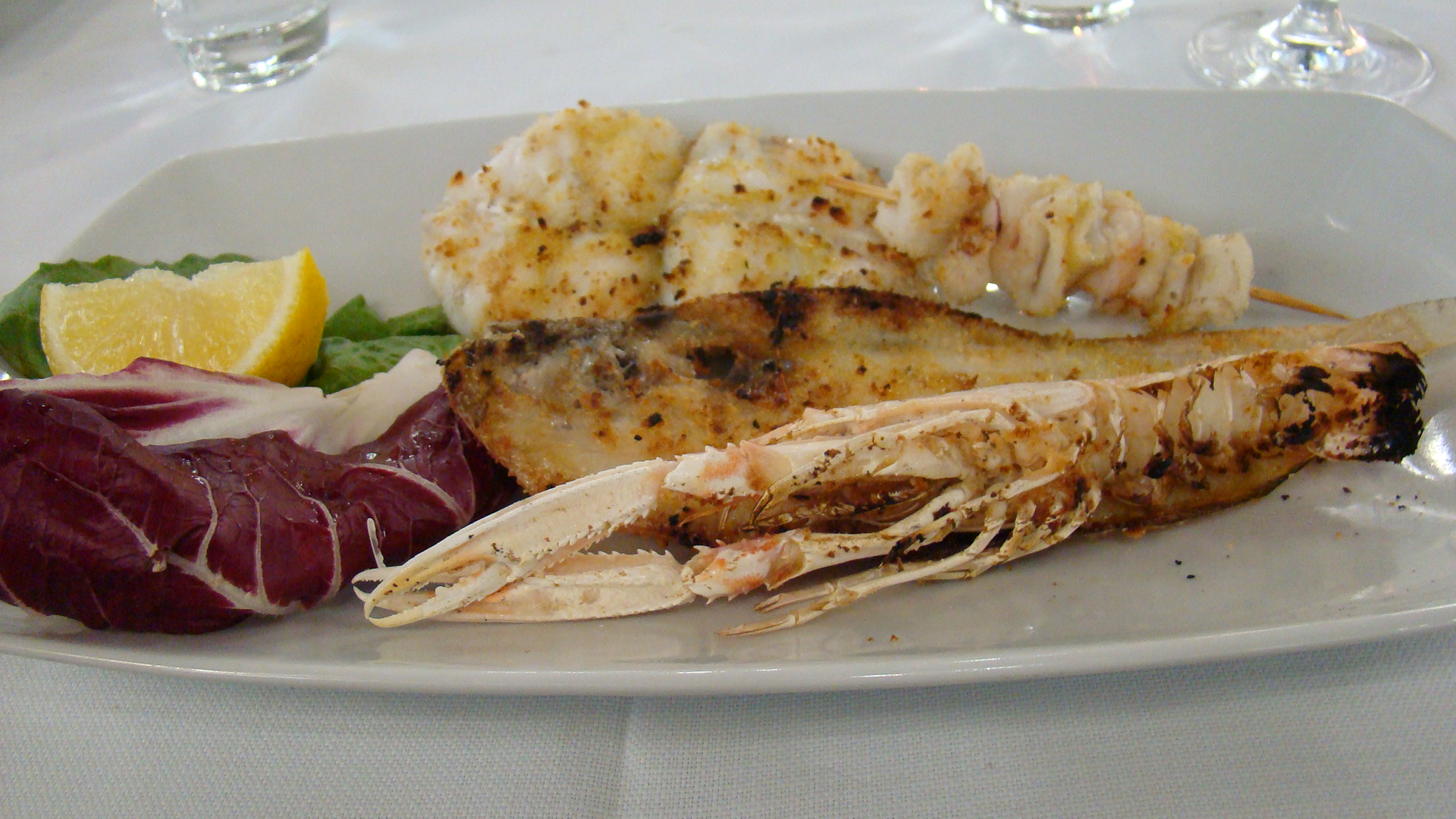
Last Friday we were treated to a concert in the piazza. DikDik was the name of the band. They drew quite the crowd. They are a 1960s band that mostly did English tunes translated into Italian. For instance, they did “Hey Jude” and “California Dreamin'” to name two. We sat outside at Bar Mary and enjoyed people watching. They had a hair dresser setup in a tent where women were getting up-dos a la the 1960 beehive look. Later they had a contest. We retired upstairs just when DikDik started at 11PM. But of course we could hear them just fine up here!
DSC04652

Yesterday, Sunday, we planned to go to “Movie night at the castle”. This is the Civitella Ranieri castle that I have written about before. They invited everyone to bring a picnic and eat on the lawn. Then we all went into a courtyard where a sheet was hung to project the movie. It was a 1960s black comedy called Mafioso. It is out of print and has been deemed notable enough to be saved by the Criterion Collection. It was a beautiful evening and just being at this beautiful 15th century castle is a treat. Here are our friends Michelle and Paul and Luther at our picnic.

DSC04654

Tomorrow we have plans to attend a performance by the Royal Conservatory of Scotland of excerpts from Rossini called “Raucous Rossini”. It only lasts one hour and is being performed in the Teatro dei Riuniti here in Umbertide centro. It is in a medieval building that sits just next to the castle fortress, La Rocca. I have not had a chance to see the theater yet so I am excited. After the show there is a reception at Galeria Littlewood, a small art gallery and shop. AND after that, we have reservations at Calagrana for a specialty evening of Italian “small plates”. So it is shaping up to be a fun time. I will report back.

di Giallo Angel is back!

We got the Giallo Angel back from the Porsche dealer this week. Lucky for us, Porsche Road Hazard insurance picked up most of the cost. We had to pay 500 Euro but it would have cost ten times that. Whew! Luther drove it home and got up to 180 KPH and said it rides fine. (Glad I was pooping along in the VW)

DSC04398

A nice break in the weather

On Tuesday we took the injured Porsche to the dealer so we could find out what that pothole did to it. Sadly, it took out both of the wheels on the right side. This is not a minor thing. We don’t yet know what the cost of repairs will be.

Yesterday the wind came up and the heat went down (some). It was so refreshing. Overnight we left all the windows open and it was nice and cool. Today we decided to go somewhere since it was such a nice day. The wind had blown the haze away too!

We had read about a ceramics exposition in the town of Cessena north of us. We tootled on up and parked outside of the town. On the way, I spied three of the big glass amphorae beside a dumpster! I have one and it is so pretty so I decided to stop on the way home and get another. As you know the sunflowers are all blooming and I got Luther to stop so I could get a shot. They are just so pretty and these were so abundant I couldn’t resist. I like that there are four or five fields going up the hill.
DSC04643
The ceramics exhibition turned out to be a one man show. Here are a couple of his sculptures. Strange but interesting.

DSC04635

DSC04634

DSC04632

The town of Cessena is a walled hilltop town. We entered it through a tunnel that goes into the old cisterns from which it gets it’s name. Just beside the entrance was this pretty group of flowers with the view behind them.
DSC04640

View from the town across the Tiber valley.
DSC04636

We checked out another town supposed to be famous for it’s ceramics due to the fact that they have some of the most pure clay in the world. The town name was Fighille. I must do some more research as we found no one selling or exhibiting ceramics.

I stopped and picked up the Amphora. I got it in the trunk just barely. Now I have to figure out how to get that wrapping stuff off.
DSC04645

A walk around Lake Bled

What a beautiful day! I woke up very sore from my fall yesterday but determined to hike around Lake Bled. And it was a perfect day for it. We started out a bit rocky as we tried a marked path that lead up into the mountains. I had really wanted to stay along the lakeside where there is a nice path all set up for bikers and hikers. So we eventually made our way back down. I did take a couple of pictures while up there so here they are.
DSC04604

DSC04605
The lake is pretty unspoiled but there are places set up for swimming and sun bathing here and there along the way. You can also swim from just anywhere along the lake. The water is crystal clear, turquoise and there are a lot of fish. We saw many tiny fish, probably baby trout. We also saw some nice sized trout as well.

There were also some whimsical things like this gigantic slingshot. Luther commented that if Bled was ever attacked they were all set to defend themselves.
DSC04609

I was smitten with the little island in the center of the lake. There is a church there dating from about 1,100 AD. Legend has it that there was a temple to the Slavic goddess Živa on the spot of the present church. It was nearly destroyed by an earthquake in 1509 and rebuilt in the baroque style which we see today. You can only get there by boat or, if you are a strong swimmer you can swim there. You can rent a boat and row yourself or there are boats that take people across in groups. Here are two pictures.
DSC04616

DSC04612

On the way back we saw a novel way one restaurant kept it’s beers cold. It was icy spring water pouring from the wall!! You can’t tell from the picture but the water hit in such a way as to keep the beers rotating in their buckets.
DSC04619

They also had a some really pretty wooden boats you could rent. Here is a unique one that looks like a swan.
DSC04618

By the time we got back to Bled it was lunchtime and my feet were starting to hurt. Good timing! We were happy to sample the local brews.
DSC04621

Tonight we plan to eat where we ate last night as it was very good and right next to our Inn. Then onwards home tomorrow.

Budapest – day two

Today we were off to the castle district on the Buda side of the city. We decided to take the subway which turned out to be easy. Debarking from the train, we headed up the hill. As we arrived at the gate I took a couple of pictures of the pretty flower beds.
DSC04529

DSC04530

Inside the walls it was like a little miniature city. Pretty streets with medieval houses and shops. As we approached Matyas Church we passed the Hilton hotel. It had it’s own claim to fame because it was a modern architecture in the Old Town. It was controversial from the start but does incorporate the historic remains of the site. Here is the bas-relief depicting King Matyas on the Hilton wall.
DSC04533

Matyas church was magnificent. And BOY was it mobbed with tourists. Mostly big tour groups which are a scourge. The church was built in the 13th century and was called the Parish Church of Our Lady Mary. Much of the original detail was lost when the Turks converted it into the Great Mosque in 1541. During the liberation of Buda the church was almost totally destroyed But was rebuilt in the Baroque style by Franciscan Friars. It sustained further damage in 1723 and was restored in the Neo-Gothic style in 1873. Wow! Here are some pictures. First the outside. Beautiful roof.
DSC04535

DSC04536

This is the tomb of King Bela III and Anne de Chatillon. I like the animals at their feet.
DSC04537

These two are the Mary Portal. The first one is a recreation of the relief before it was “restored”. You will note missing heads and body parts. The second is the relief after they restored it.
DSC04541

DSC04542

We walked further, past the palace and around back where we found my favorite part of the tour – Matyas Fountain. It was created in 1904 and dedicated to the great Renaissance king Matyas about whom there are many legends. It’s theme is from a ballad by poet Mihaly Vorosmarty. According to the tale the King, while on a hunting trip meets a beautiful peasant girl, Ilonka who falls in love with him. Their love was doomed. The fountain shows the King disguised as a hunter with his kill. I love his hunting dogs. And the poet is off to the side looking – well poetic!
The king and his kill.
fountain2

Great hound dogs! Notice the one on the left with his skin sliding down over his eyes.
fountain3

The beautiful Ilonka.
fountain1

The poet looking poetic.
fountain4

The whole thing!
fountain_all

There was more but I won’t bore you with it. We had lunch in a sidewalk cafe near the church. We wanted to keep it simple and I had a Caprese salad. While sitting at the table about ten beautiful white cars went by with red ribbons on their hoods and down the sides. It was the entourage for a wedding. This was totally opposite to what you would see in Italy where the ribbons are always white. But in Hungary, the dominant color is red. All their traditional costumes are red. I managed to snap a picture as one car sped by.
DSC04558

Dinner was much more interesting at Bock Bisztro. This time we figured out how to take the street car. The public transit is very good in Budapest. We got there lickity split! It was much better than the one star we dined at last night. Good, friendly service and good food. I had goat! It was very good. Luther had rabbit. He like his too.

So that concludes our Budapest visit. All in all it was fun. I don’t know if I would go back. Maybe I’d combine it with a trip to Prague on a train or something. It was a big, busy, crowded city.

Onward 458 kilometers to the Bergenland

We had a nice drive yesterday in good weather. Before we left we went out in Udine and purchase a picnic of proscuitto, cheese and bread. Luther also had his wishes come true and purchased two cuban cigars. Oddly, another incomprehensible Italian rule says you must pay cash for tobacco products. Anything else you could pay with a credit card. Go figure.

We flew(!) mostly on autobahns through Italy/Austria but got off about 100 km from our final destination to put the top down and have a picnic to save ourselves for dinner. They have pleasant picnic areas along the highways.

DSC04438

Our next destination, Mörbisch is in the Bergenland in Austria south of Vienna. It is just at the bottom end of the Neusiedlersee, a large lake with marshes, home to many birds, foremost of which are the storks. Every town had many of the large metal nest spaces on their roofs hoping to attract the big birds to nest. They are said to be good luck. So far every town had at least two nests with mom and two babies.
DSC04442
DSC04445

We checked into the Weingut Schindler which has 6 rooms it rents out. Frau Schindler met us and offered us a glass of their wine which we enthusiastically accepted. The Weingut has an interior courtyard full of flowers and tables at which you can enjoy their wine. Our room is nice. Not fancy but fine. We are staying three nights. We walked around town, checking out the restaurants and pretty alleys full of flowers. We stopped at a Heuriger which is an establishment that serves wine and snacks – typically they have a bough from a tree to indicate they are open for business. Earlier our Frau had recommend the Sommer restaurant for dinner so we searched it out while on our walk.

Restaurant Sommer had nice outside tables. We enjoyed typical German-style food. Both of us had Weiner Schnitzels as entrees. Lucky for me I ordered the small portion! Luther’s was HUGE. We also enjoyed the local wines, the red was produced by the family who owns the restauruant. It began to rain while Luther was smoking his cigar. We huddled under the umbrella then walked (quickly) back to the Weingut.

This morning dawned cold, gray and rainy. Too bad. We had breakfast at the weingut which was nice with most things you could want. We headed out to the capital city of this area, Eisenstat. It was nice enough but since the rain was steady we drove on to Forchtenstein which has a Schloss and fortress. We visited. I couldn’t take any interior pictures but here it is on of the outside approaching.

DSC04446DSC04447
It was impressive but the family Esterhazy were pretty disgusting. In order to be able to rule what is now Hungary they had to prove a long line of ancestry. They pretty much made it up with portraits of their non-existent relatives in their hall of the ancestors. Very pretentious folks.

The rain continued all afternoon. We went back to the lake to Rust for lunch at a seafood place. I had a nice spicy soup which, to me, seemed very Hungarian which is not so strange given we are about 2 miles from the border. Luther had a roasted chicken which was reminiscent of KFC.

After lunch we visited the Sommer Weingut. Tasted wines and endured their terrible two year old, Felix. Their wine was quite nice. We bought a case.
DSC04451

DSC04448
It is now around 7pm and happily, the sun is finally out. I looked up the weather and it should be nice through our Budapest leg of the trip. I had to buy a sweater this morning as it was only 14C today. Brrrr.

New Wine Guy post – Visiting a winery – Villa Mongalli

brochure copyIt’s a gorgeous day, as we head south along the E45, once the old Roman road, Via Flavia, which two thousand years ago connected Rome, on the western side of Italy, with Rimini on the Adriatic coast. Because the weather is particularly fine today, we remain on the E45 past Perugia towards Ripabianca. From here, we can put the top down and take a leisurely cruise along the SP415 through the countryside towards Montefalco and Bevagna, the land of Sagrantino. The SP415 follows a valley cut by a small creek past the lovely hill town of Gualdo Cataneo and ends just before the the unfortunatelly named town of Bastardo–yes, it means the same thing in Italian. We take the SS316 towards Montefalco and Bevagna and enter the Via del Sagrantino, the Sagrantino Road.

I’ve taken the precaution of going to the winery’s website and printing out a map. This turns out to have been a smart move, as the navigation system in the car seems convinced that the road we’re looking for does not exist. This is not unusual in Italian winery hunting as most of the wineries are truly in the middle of nowhere. We have discovered many interesting places while trying to find a place we’re interested in, if you’ll pardon that. Anyway, after a little looking, we find the correct road, which is, thankfully, paved. We follow it up a fairly steep incline to a hilltop amid the trees and go looking for the address I got from the website.

As we approach Villa Mongalli, we have our doubts, even though we know the address is correct. The winery, a wooden, barn-like structure, is framed by areas of unmown grass at least three feet high. A look around one side is both assuring and offputting; what is clearly a lovely deck with chairs and tables (winery!) had grass growing up to its floor. (out of business winery?) We might have left at that point, had we not seen a slightly opened door and two cars parked in front. Pretentious the place is definitely not.

IMG_0085

Entering a large open unlit room, we again experience hopes and fears: Hope, because we are clearly in some sort of tasting room with medals and articles on the walls, tables and chairs, and stacks of wine guides and reviews. Fear, because it looks a bit like the aftermath of a fraternity party, with empty bottles and glasses on most of the tables.

IMG_0086

From a smaller, better lit office area, a slightly built fellow with curly brown hair and intriguing grey eyes emerged and introduced himself as Pierpaolo Menghini. He and his brother Tommasso, who is also in the office, handle the everyday operation of the winery under the overall supervision of the father, who founded the operation. Pierpaolo is in charge of all things associated with making the wine; Tomasso handles sales, marketing and all things associated with the business. Pierpaolo throws open the curtains, revealing the deck we saw earlier, which presents a magnificent view of the rolling vineyards outside, gets glasses and finds a clear table. It’s tasting time.

IMG_0096

IMG_0087

Our tasting begins with Calicanto, Villa Mongalli’s Trebbiano Spolentino 2013. As you probably know, I am a big fan of this grape. But, for me it is still a very satisfying surprise. The wine is big and fat in the mouth, with a substance and character that I rarely find in most white wines. It is 100% Trebbiano Spolentino grown on an a 4.4 acre segment of the winery’s 33 acres. What was particularly interesting was that the wine opened up over time: something I associate only with reds. Pierpaolo sets some aside and twenty minutes we compare it with a freshly opened bottle. The difference is impressive. The wine seemed to gain depth and strength. This is, to date, the best Trebbiano Spolentino I’ve tried. [Nancy here: Pierpaolo was clearly VERY proud of this wine. I was stunned as the aroma of the wine drastically changed as it opened up over a period of over thirty minutes. Agree with the Wine Guy, I’ve never seen a white wine do this, only the reds. Amazing]

IMG_0093

I noticed that many of the bottles we were tasting are unlabled. Welcome to Italy. Most of the wines made at Villa Mongalli are DOC or DOCG wines and receive the special DOC and DOCG label on the necks of the bottles. These labels are provided by the Government, which hasn’t gotten around to making them yet. Pierpaolo can’t run the bottles through the labelling machine twice, so he has to hold on to racks of unlabelled wine waiting for the labels. Ah well, as I’ve noted before: if you’re the impatient type, you better go to northern Europe. In Italy things get done when they get done.

Wine guy and Pierpaolo.
IMG_0095
The rest of Villa Mongalli’s vines are red. We continue with the La Grazie 2010, which is a DOC Rosso di Montefalco. Unlike most Rosso di Montefalco’s, which tend to be 15% Sagrantino and 75% Sangiovese. At Villa Mongalli, the wine is 15% Sagrantino, 50% Sangiovese and the remainder a blend of Cabernet and Merlot which Pierpaolo adjusts each year to produce a balanced, ruby wine with plenty of fruit up front. A year in large oak barrels followed by a year on the rack give the wine backbone. I imagine you could lay it down for a while, but Pierpaolo considers it his “everyday” wine and I have to agree that it’s drinking fabulously right now.

IMG_0091

Next, we passed to the main event, the Sagrantino. Villa Mongalli makes two Sagrantinos di Montefalco, Pozzo del Curato and Della Cima. The Pozzo del Curato is made from Sagrantino throughout the property, while the Della Cima (Italian for from the summit) comes from a 2 acre plot at the very top of the property that he points out to us from the deck. They are both prepared the same way, with three years in small oak barrels and a year in the bottle. With the air of a lion tamer demonstrating that he can keep the big cats under control, Pierpaolo pours the wines out. We let them breath for about ten minutes–always an excellent idea with Sagrantino–and taste. These are monsters. The wine is intensely ruby to purple, bursting with fruit and spices. We are drinking the 2005 vintage, but the tannic basis is still there. I daresay this wine could easily go another ten years. Pierpaolo thinks that the Della Cima has a bit more elegance and aging potential–it’s slightly more alcoholic at 14,5% as opposed to 14.0% for the Pozzo del Curato. It is hard to tell for sure. They are both fabulous. He calls these “occasion wines” and I have to agree. These are wines that are too commanding to drink as accompaniments to food. They deserve to be enjoyed by themselves. Perhaps chocolate, or very powerful cheese might work, but I think the wine demands your attention. Think port without the sweetness.

IMG_0094

Finally, we come to Pierpaolo’s surprise wine, the Col Cimino 2005. This is Pierpaolo’s single non-traditional wine, which he says is particularly loved by “the Anglo-Saxons”. It is a wine of equal parts Sangrantino, Cabernet and Merlot with three years of barrel age and, to me, it resembles a fine Bordeaux (please don’t tell the French I said this) with the tannins of the Sagrantino and Cabernet giving the wine a solid structure and the fruitiness of the Sagrantino and Merlot offsetting the more closed character of the Cabernet. We find it very satisfying. I’m not sure how much farther the 2005 can go, perhaps a few years, but I would say it is near perfect right now. Don’t expect any fancy labels on this wine. Because it’s not produced according to the DOC/DOCG standards it is labelled a humble IGT Rosso Umbria. It is most definitely a diamond in the rough.

After loading the car to bursting with wine, we asked if we could buy a bottle of wine and drink it with the picnic lunch we brought with us. “No problem” was the answer, and Pierpaolo fetched us a chilled bottle of Trebbiano Spoletino from the cellar. He than asked us if we’d like to take the bottles we had been tasting, most of which were not close to empty, with us! We gathered as many as we felt we could without looking too greedy. It was unbelievable.

Our table littered with half empty bottles.
IMG_0102

Our simple picnic of proscuitto crudo, pecorino cheeses and bread.
IMG_0100

For folks who are interested in this sort of thing, Via Mongalli exports solely to the Bay area in California. If you live there, lucky you. If not, it is an excellent excuse to take a jaunt to Umbria. On balance, Villa Mongalli is one of the best wineries we’ve visited here in Umbria.

EXPO in Milano

On Saturday we left Umbertide to visit the EXPO in Milan. They call it EXPO here but it is the same as the Worlds Fair. The theme is Feed the World, all about food. I had never been to a worlds fair before so I didn’t want to miss my chance. It opened in May and closes in October. The word at first was that it wasn’t really ready to open when it did so we waited a little.

We left Saturday and returned Monday with only one full day to see the Fair. As luck would have it, it was the hottest weather so far. In the upper 90s. It was broiling. We took the train to Florence. Then we changed to the fast and super nice, Frecciarossa, or Red Arrow. There were four classes of travel from opulent to nice. We were one up from nice.

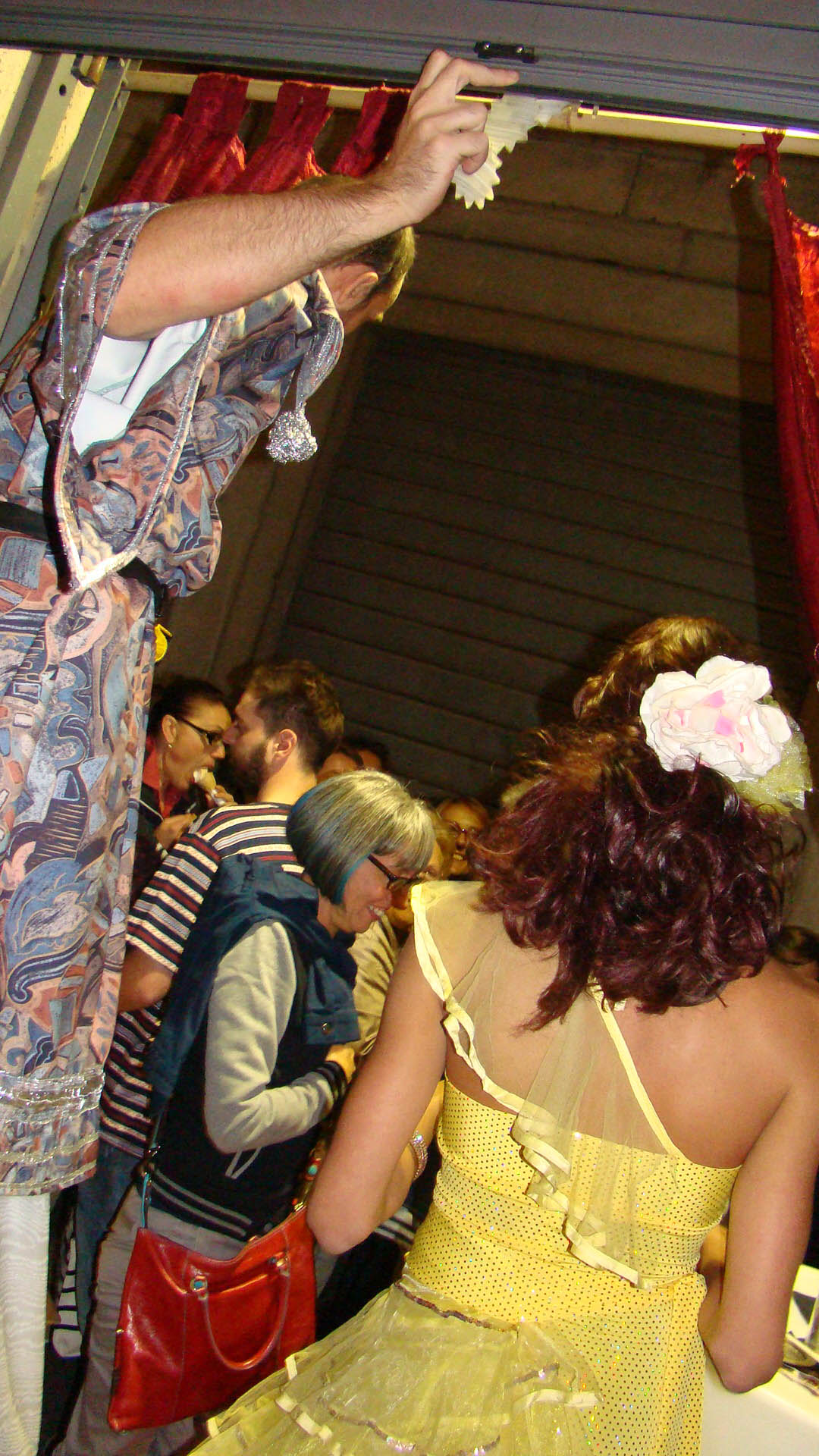
We stayed at the Spadari al Duomo right in the Centro near the cathedral. It was a lovely four star place with great service and comfy beds. They left strawberries for us…
DSC04325
You could take the subway out to the EXPO from the hotel very easily. It took around 30 minutes to get there. We left about 9:30 so got there when it was opening.

There is a main thoroughfare which is very wide and covered with giant sun screens. If they hadn’t been there you couldn’t have stood the heat. The very wideness of this space gave the impression the crowds were light.
DSC04328

But no, if you tried to go into a pavilion the lines were long for the most part – and in the sun. They were handing out umbrellas to some suffering people. The Italian pavilion had lines 2 1/2 hours long early in the day. Many others had one hour waits. We did manage to go into the Israel pavilion, the Quatar pavilion, the Slovenian pavilion and the USA pavilion. All had presentations of their foods, or how their country was helping to feed the world, or something unique about themselves. The USA had the worlds largest vertical garden. Around the back was the Food Truck Nation. Four food trucks selling BBQ, Hamburgers, Lobster Rolls etc. Israel had a very nice multi-media presentation about how, after it became a nation in the mid twentieth century, it made lush gardens in the desert. They invented drip irrigation. They produce a tremendous amount of food in a very hostile environment.

USA pavilion vertical garden.
DSC04343

Outside USA pavilion
DSC04342

Inside Quatar pavilion.
DSC04347

Outside the Slovenian pavilion.
DSC04358

Here are some random peeks at the Fair. Vietnam pavilion.
DSC04332

Kazakhstan
DSC04335

Azerbaijan
DSC04359

Italy pavilion – inside.
DSC04338

On the way back home, after changing trains in Florence, our slow, hot, local train decided to break down. We sat, sweltering for 40 minutes before they finally got it going again. The joys of Trenitalia.

Finally, here is a picture of my christmas tree which is residing for the summer on the terrace. It must be happy because it is growing!
DSC04321

Castello Bufalini, San Giustino

We have visitors for a couple of days so we thought we would visit a place nearby that is only open on Sundays. It was built in 1487 and continuously occupied by the Bufalini family until 1979 when the last family member died. They kept meticulous records of the farming operation from 1473 to 1979 which are important to historians and chronicle the activities of the estate, harvests, cattle breeding, milling and changing practices of agriculture through the centuries. They spared no expense with frescos painted on the walls and ceilings, Murano glass chandeliers, and extensive stucco decorations. Here are some pictures.

This first one is from a room called the chamber of Pagan delights.
DSC04283
This is the grand reception room.
DSC04284
Statue of the Medusa
DSC04288

Stucco decorations by artisans in Citta di Castello.
DSC04287

The famous gardens now, sadly, run-down.
DSC04294

Exterior of the castello which suffered great damage in the 1789 earthquake necessitating the addition of structural buttresses.
DSC04296

It was a marvelous day and we had lunch reservations at Calagrana. It was Frank’s (one of our guests) birthday celebration. The meal was, as always, wonderful.

My secondi – mixed grilled fish to include tuna, salmon and sea bass.
DSC04300

We also had our first experiences at the Pronto Soccorso or emergency room, here in Umbertide. Frank had scratched his cornea and it was really bothering him. We visited the PS and they flushed his eye, put numbing drops in and told him to come back Monday to see the doctor. By that afternoon he was all better. They charged him 25 Euro. Not bad!

Today is the Day of the Republic and a national holiday. Out in our piazza they have erected 3 what I would have to call pens. They have Royal Canin plastic on them. This clues us in that it must have something to do with animals. I will report back after we figure it out. Stay tuned!