[NOTE: all photos “borrowed” except the last one in the Niccone valley]
I read everything I can find about what happened here in Umbria during the Second World War. It was a horrible time. Before I talk about what happened in Umbria a little overall background. The war had gone badly for Italy after the Allies invaded North Africa and then invaded Sicily. The Italian Grand Council had seen enough and Mussolini lost a vote of confidence from the King. He was arrested.
Italy surrendered to the allies in September 1943 and allowed the allies to land in Salerno, south of Napoli. Thing was, the Germans were still IN Italy and the Germans even brought new forces in through the Brenner pass. They prepared to dig in and fight. They treated Italy as an occupied country and freed Mussolini who set up a puppet state called the Italian Social Republic.
Italy declared war on Germany in October 1943. What ensued was horrible, Italian and allied troops moved up the Italian peninsula slowly pushing the Germans northward. It was two years of unrelenting warfare. And this was happening where Italians lived and tried to survive. You can imagine. But to complicate things, there was civil unrest within the Italian population with the Partisans fighting against Mussolini’s puppet state (in reality fighting the Germans who propped up that State).
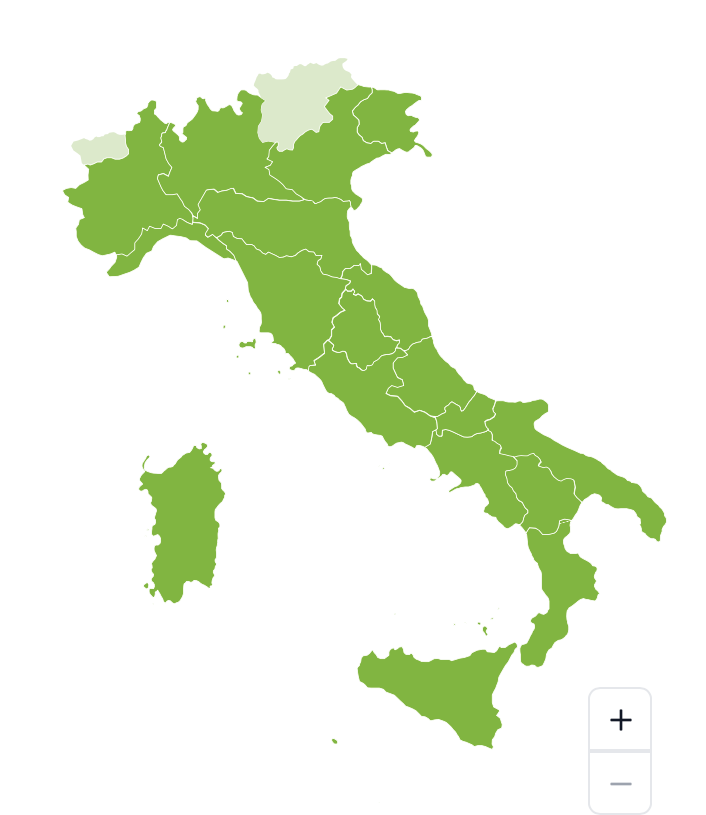
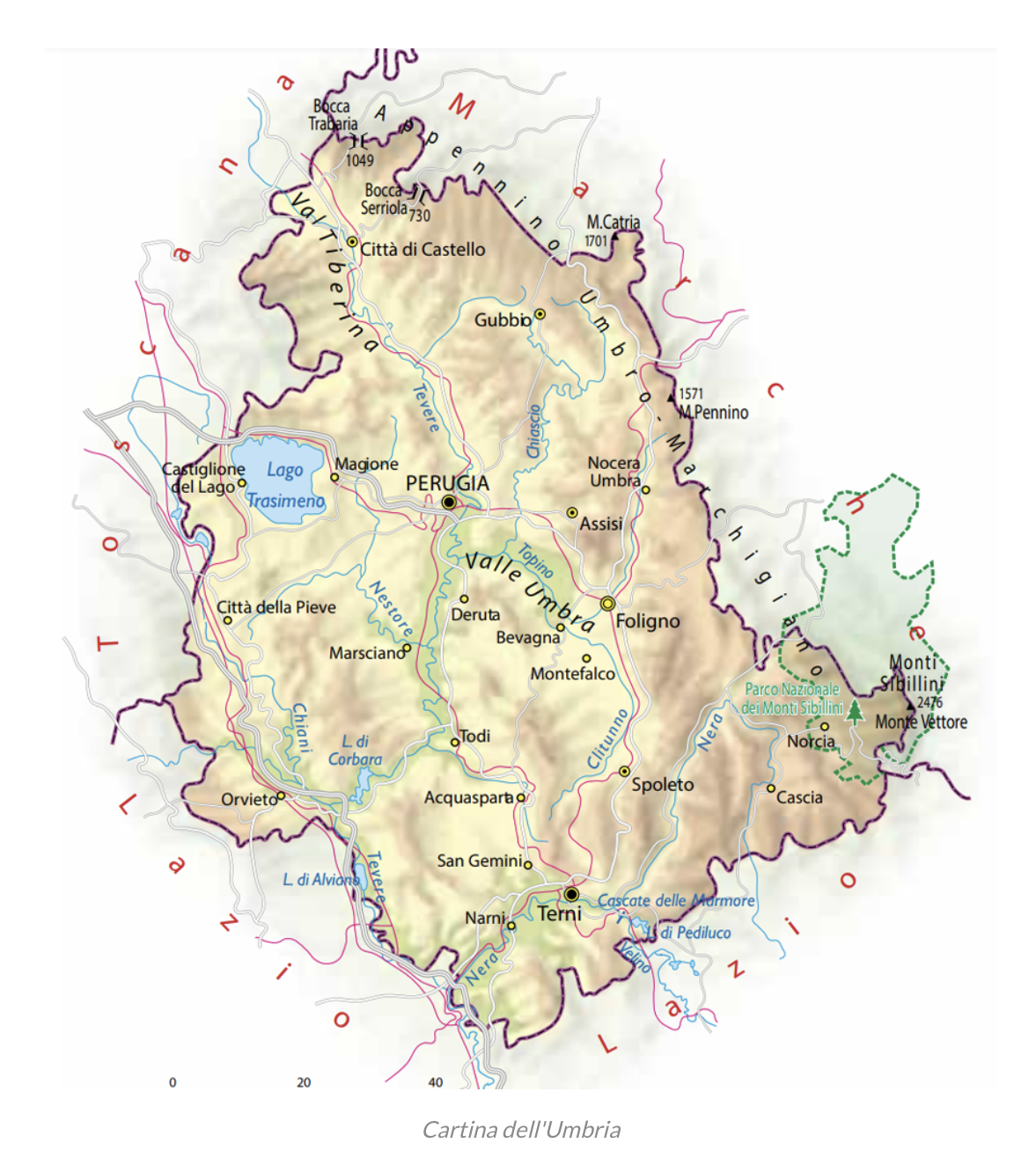
Of course there was a lot more after that before the war ended in italy. But I also want to get to what happened in Umbertide. First I want give a bit of info about the rest of Umbria.
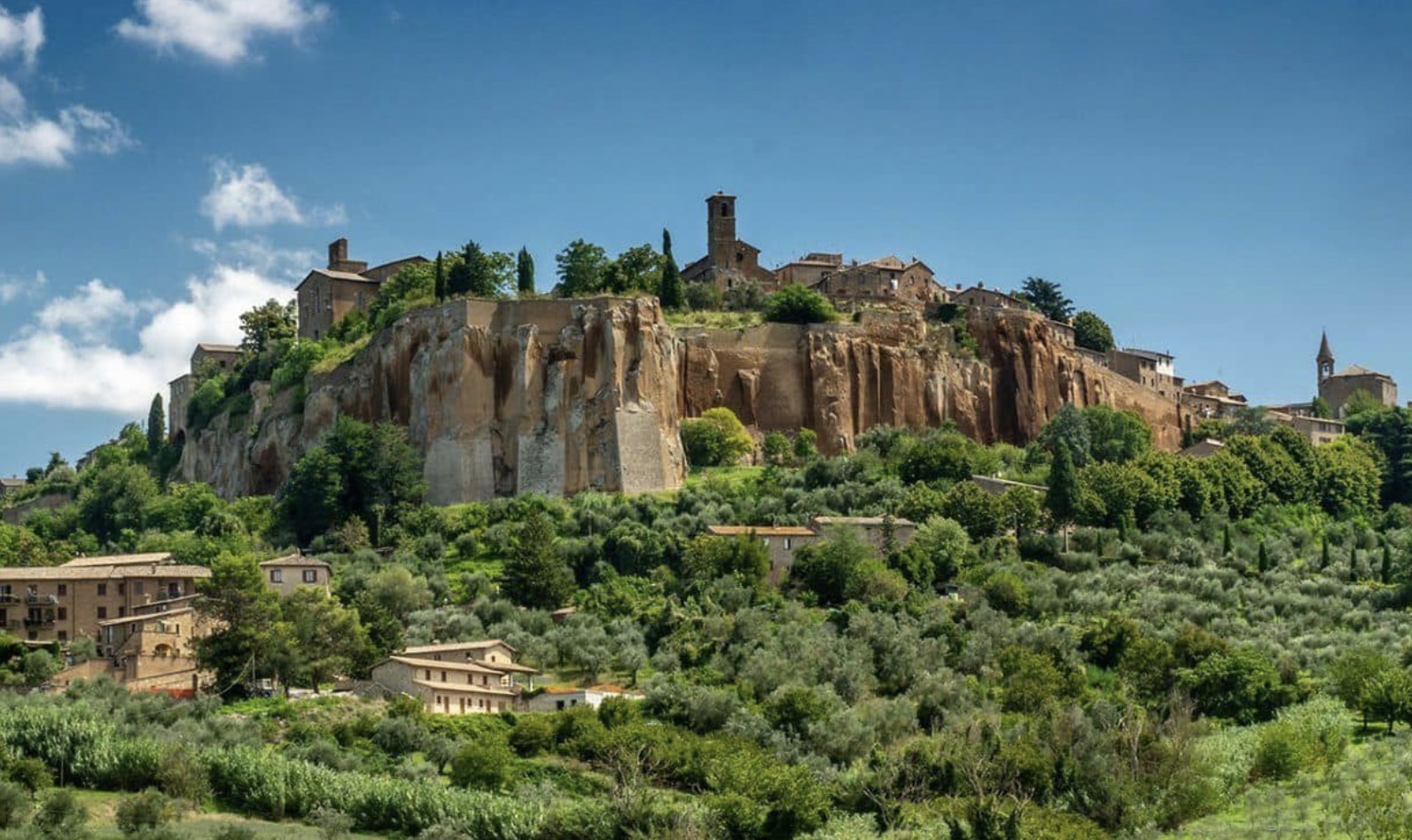
Orvieto was the first to be occupied. It is on the left south of the big Lago Trasimeno. It was very strategically placed between Rome and Florence. But the line was pushed north and the next German defensive line was Lake Trasimeno. Perugia was liberated in June 1944.
Next, an uplifting story was about brave priests in Assisi, and acts of moral courage during the war. Bishop Giuseppe Placido Nicolini, Father Aldo Brunacci, and Franciscan Father Rufino Niccacci built a secret network that provided Jews with false identity papers and sheltered them in monasteries and convents — saving approximately 300 Jews from the Holocaust. The papers were transported by Father Nicolini inside his cassock. The Germans never searched him. A famous Italian cyclist hid the papers inside the frame of his cycle. If they asked to search he said he had just gotten the bike “tuned” for a race and please don’t disassemble it. They didn’t. The Germans admired this famous cyclist and he was never caught.
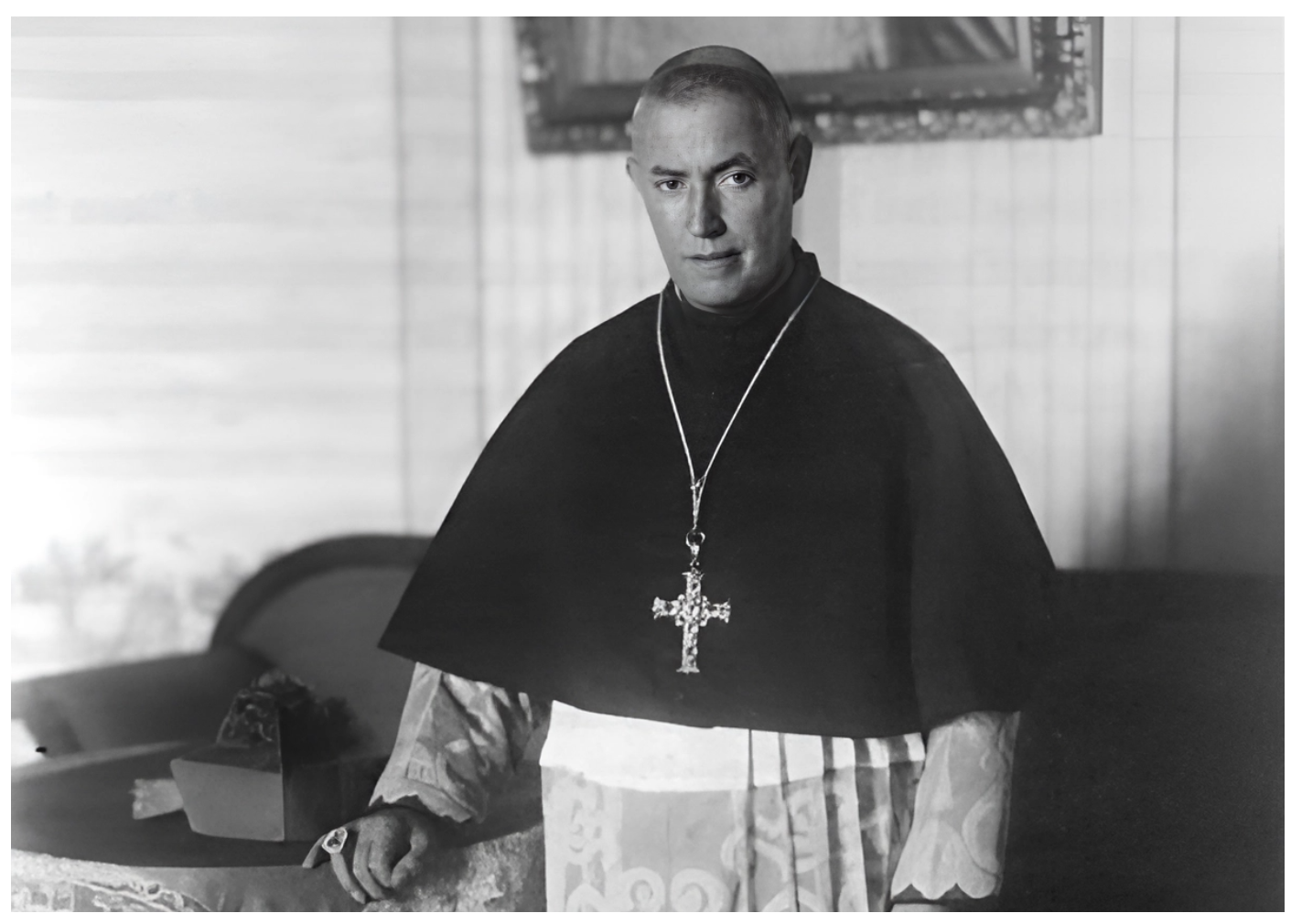
Sheltering places were arranged in 26 monasteries and convents, and false transit papers were provided — many claiming the bearer was from southern Italy, an area already liberated by Americans. Father Niccacci dressed many of the refugees as monks and nuns, taught them Catholic ritual, and hid them in monasteries.
Even a German colonel, assigned to Assisi, Valentin Müller, head of medical operations, who was a devout Catholic, worked to spare Assisi from destruction.
As one Jewish survivor, Professor Emilio Viterbi, later said: “In the mass extermination of six million European Jews, in Assisi not one of us came to any harm.
Now for the dark side. The partisans were all up in the rugged mountains around Umbertide, Città di Castello and Gubbio, as well as other places on the peninsula. That is where the partigiani had their secret places to hide and their stockpiled arms. They actively undermined the Germans whenever they could. It was a dangerous business.
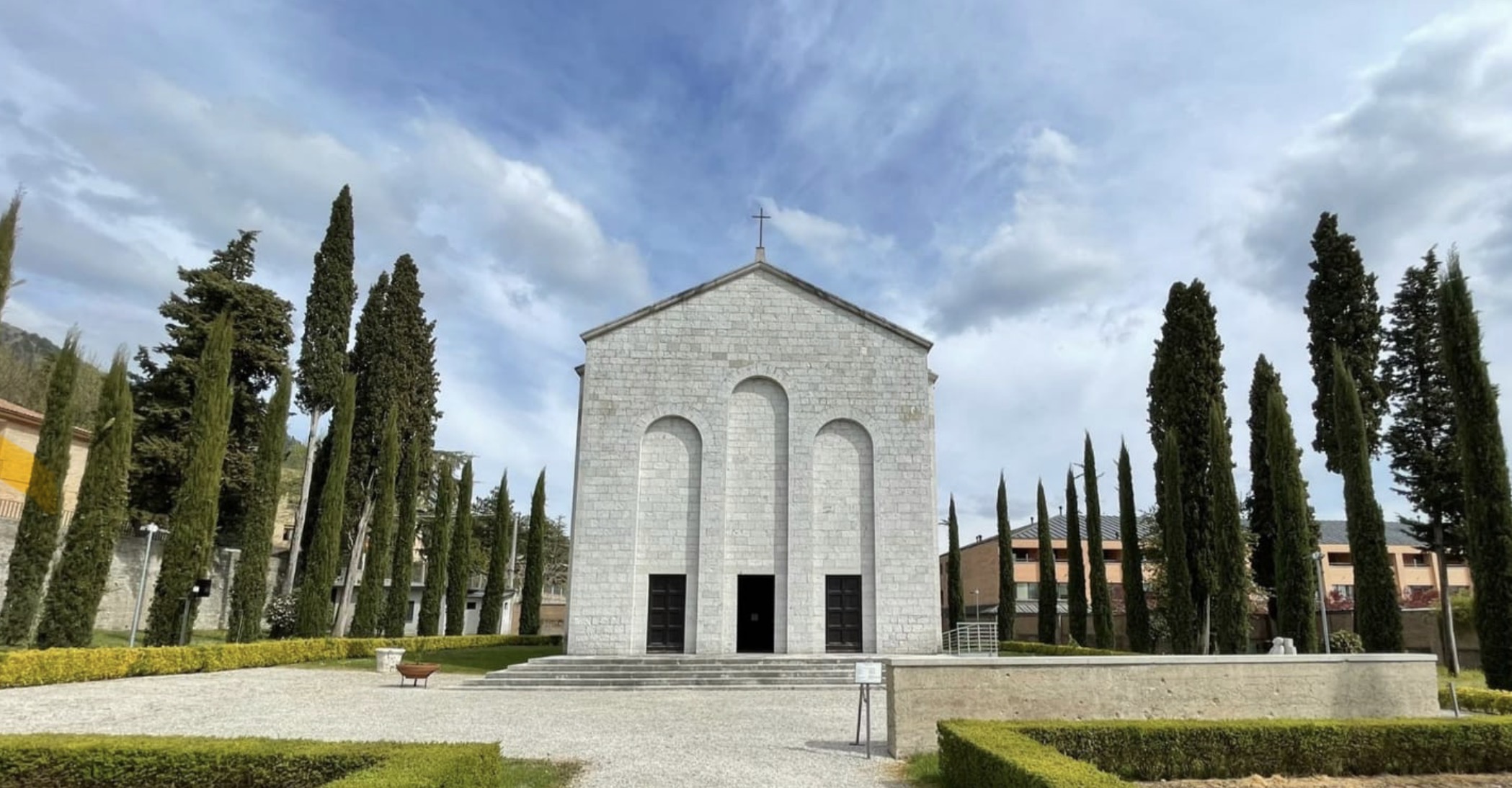
In Gubbio there is the story of the 40 martyrs. The policy of the Germans was if a Partisan killed a German they would kill 40 Italians in retaliation. That happened in Gubbio. A German soldier was killed by partigiani and they lined up 40 civilians against a wall and shot them. All ages, both sexes. There is a monument there now.
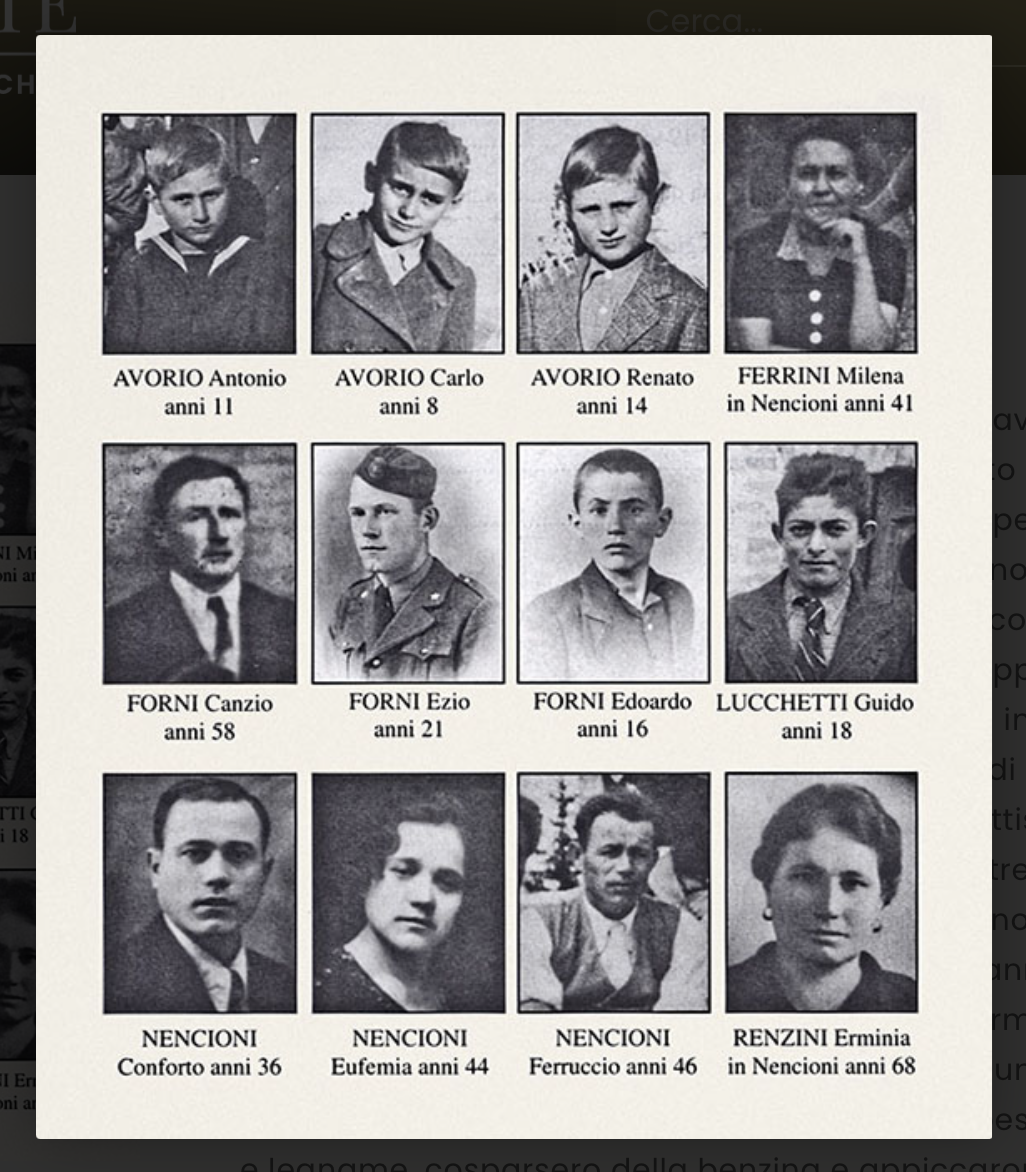
Here in Umbertide there were reprisals against an extended family of 12 members, innocent civilians and many children. They were rounded up and murdered inside their house in the Niccone valley. Ever since that massacre the house sat unoccupied up on the hill. A monument is beside the road now.
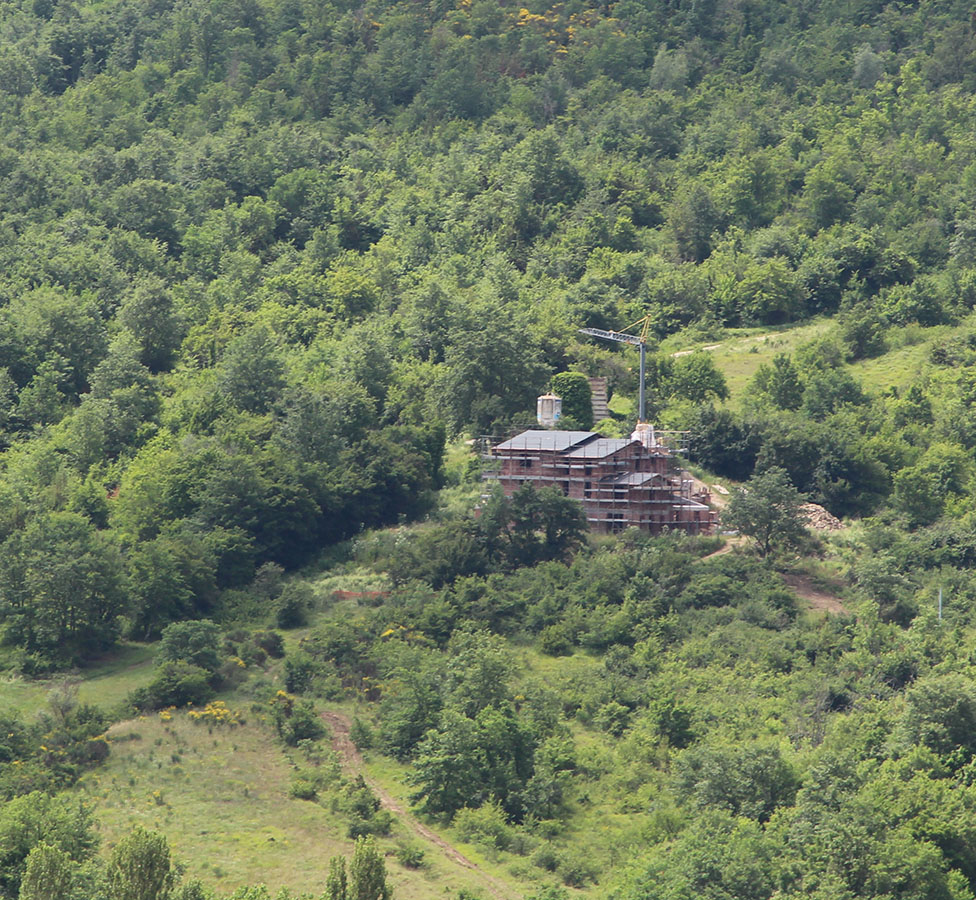
In the past few months I have noticed someone is renovating the house. No idea who. I asked around. I was dumbfounded. The house has stood empty 82 years. I thought it was a memorial, or that since 12 people were gunned down there people were too superstitious to live there. I would have second thoughts for sure. Would you? 😳
Hi Marie, thanks for the suggestion, I will look that up!
Hon Carlo, that was quite the feat. The Gothic Line was north of us after the Germans were pushed back from our area. All very interesting.
Great story, watch “ 4 days in Napoli” free on you tube for real taste of the caos during the Nazi retreat .
Very interesting post on WWII in Italy and its effects on the people. Here in Colorado we are made aware of WWII in Italy by the presence of Camp Hale in the mountains between Vail and Leadville. It was the winter training camp of the 10th Mountain Division. They played a key role in defeating the Germans along what was called the Gothic Line—German entrenchments and artillery turrets stretching from La Spezia, across the Apennine Mountains and the Foglia Valley, to the Adriatic port city of Pesaro. The 10th Mountain Division staged a surprise attack, climbing the so-called Riva Ridge to help capture heavily fortified Mount Belvedere. It enabled the Allies to break through the Gothic Line after previous attempts had failed. The 10th Mountain Division used ski mountaineering skills and equipment to launch a surprise attack from the steep cliffs of Riva Ridge on the night of February 18, 1945. They caught the German army by surprise as no one expected that anyone could successfully scale that steep, snowy ridge—especially at night. Earlier this year, a group of 10th Mountain Division soldiers’ descendants climbed Riva Ridge to commemorate the feat of their ancestors. It was widely reported in the news here.
I think you’ll enjoy it Maggie!
Hi Debbie, I mostly got curious when I sa the reno. I would love to see what Bob writes.
Thanks! I knew about that book, but forgot about it. I bought it and will read it! <3
It’s so interesting that you are writing about this incident in the Niccone Valley. A few years ago, Bob interviewed one of the descendants of this massacre. She had written a book about it. He published a story about it in our Italian American magazine in Chicago (Fra Noi). Now, he’s writing a screenplay about it. I’m glad you made mention of the restoration of the Penetola house, because I drove past it the other day, and I noticed scaffolding and a crane. I’m curious about this, also.
Hi pal, yes, we do want to remember. It was a very hard time.
Hi Phil, no I didn’t read that, but I will now. Interesting about the house in your town. They were not allowed to remove the plaque at the house pictured in the post that’s being restored.
Hi Maggie, well to get you started off you need to read a book called “War in Val d’Orcia”, by Iris Origo. Fascinating diary account by a wealthy landowner in your area who lived through the war. They also cared for about 30 children sent from the Genoa region due to the bombing there.
Louann, I’m so sorry about your selling. I am sure it is hard but as we get older we have to make tough decisions. Like me, giving up my Centro apartment because of the steps. 32 hours is grueling. We chose Umbria partly for the short transition time. Anyway, turn your head into the wind and go forward to your new adventures. I have been quite curtailed in the past few years in my adventures too.
jeezeeee! really interesting Nancy. We all need to be reminded of this horrible time for many of us.
Hello Nancy. Have you read about the bombing of a prisoner train at Allerona? Quite a bad episode of the war.
There is a derelict house in my village with a plate that named a boy that was shot there. Some builders started restoring the property. They removed the plate.
Phil.
Great researching!! Thank you. I would love to pay you to research WW2 and our village of Castiglione d’Orcia and the surrounding area. maggie.mk.devlin@gmail.com Don’t know if you have time, but you seem to have found the resources. Thank you. Maggie
Thanks for the history lesson! After we bought a house in Ugento, I poured over Italy’s history as I’m a history buff. The fact they were invaded by so many foreigners:Byzantine’s, Norman’s,Greeks,Germanic tribes, Muslims etc, gives this country such a rich history! Do I dare mention it was discovered that the Pope during the war was hiding Germans in the Vatican? I finished the Norman Conquest of Italy and it was full of historical facts. I am sad to say we just put our house in Ugento up for sale after 5 years. Saying goodbye to wonderful neighbors and dear friends was so difficult, but my husband couldn’t make the 32 hour trip any longer. I left part of my heart there and carry wonderful memories. Life requires closing chapters and starting new ones, each getting shorter and harder! Love your stories and happy you have been able to make a permanent home in Italy!
Thanks Matt. It was the nearby house of the massacred family that provoked me to go looking into it. And then I thought it might be of interest. Buon weekend!
Another great post, Nancy, very different than the usual. It has always boggled my mind that the Italians were initially alligned with the Nazis during WW2. I’ve been to Gubbio several times, but never knew the story behind the Quaranta Martiri. So sad.